
All you need to know about Stress
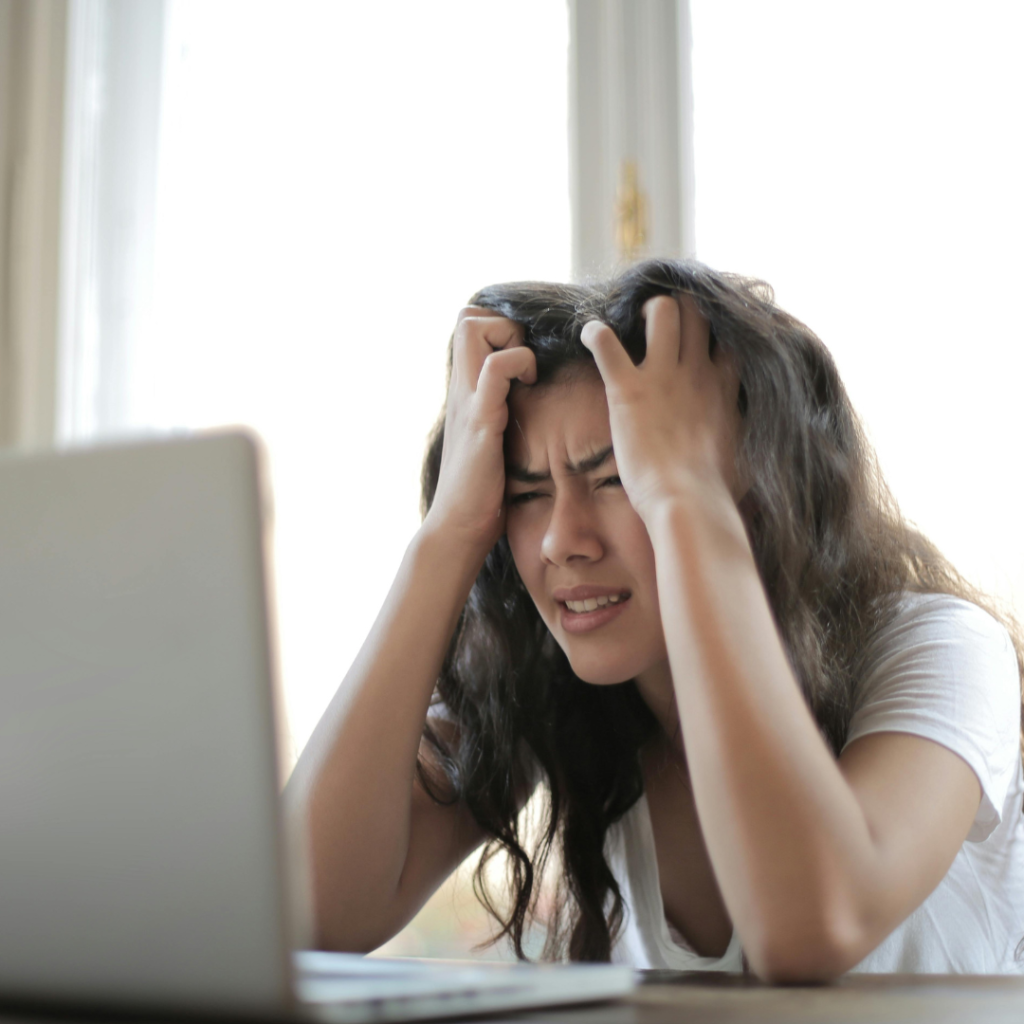
Everyone experiences stress to some degree. The way we respond to stress, however, makes a big difference to our overall well-being.
What is Stress?
Stress can be defined as a state of worry or mental tension caused by a difficult situation. Stress is a natural human response that prompts us to address challenges and threats in our lives. It affects both the mind and the body. A little bit of stress is good and can help us perform daily activities. Too much stress can cause physical and mental health problems. Learning how to cope with stress can help us feel less overwhelmed and support our mental and physical well-being.
Symptoms of stress
Stress makes it hard for us to relax and can come with a range of emotions, including anxiety and irritability. When stressed, we may find it difficult to concentrate. We may experience headaches or other body pains, an upset stomach or trouble sleeping. We may find we lose our appetite or eat more than usual. Chronic stress can worsen pre-existing health problems and may increase our use of alcohol, tobacco and other substances.
Stressful situations can also cause or exacerbate mental health conditions, most commonly anxiety and depression, which require access to health care. When we suffer from a mental health condition, it may be because our symptoms of stress have become persistent and have started affecting our daily functioning, including at work or school.
How you can manage stress
Keep a daily routine
Having a daily schedule can help us use our time efficiently and feel more in control. Set time for regular meals, time with family members, exercise, daily chores and other recreational activities.
Get plenty of sleep
Getting enough sleep is important for both body and mind. Sleep repairs, relaxes and rejuvenates our body and can help reverse the effect of stress.
Connect with others
Keep in touch with family and friends and share your concerns and feelings with people you trust. Connecting with others can lift our mood and help us feel less stressed.
Eat healthy
What we eat and drink can affect our health. Try to eat a balanced diet and to eat at regular intervals. Drink enough fluids. Eat lots of fresh fruits and vegetables if you can.
Exercise regularly
Regular daily exercise can help to reduce stress. This can include walking, as well as more intensive exercise.
Limit time following news
Spending too much time following news on television and social media can increase stress. Limit the time you spend following the news if it increases your stress.
Reference: WHO
Recent Posts
 CMS
HIA Cybersecurity Requirements: The 13 Measures Singapore Clinics Need to Know
HIA cybersecurity requirements: MOH lists 13 measures for clinics, from backups to a 2-hour incident alert. Use this…
 Healthier SG
ACE-AI Healthier SG: What GP Clinics Should Prepare for the 2027 Risk Tool
ACE-AI Healthier SG will flag high-risk enrolees in your CMS from early 2027. See 5 ways GP clinics…
 NEHR
NEHR Data Contribution Without Switching Systems: 3 Options for Singapore Clinics
Need NEHR data contribution but don't want to replace your clinic system? Compare 3 options for Singapore clinics…
Related Posts
ACE-AI Healthier SG: What GP Clinics Should Prepare for the 2027 Risk Tool
ACE-AI Healthier SG will flag high-risk enrolees in your CMS from early 2027. See 5 ways…
NEHR Integration: What Every Singapore GP Clinic Needs to Know
NEHR Integration: What Every Singapore GP Clinic Needs to Know Your Patient Just Left. Is Their…
How Singapore Clinics Can Stay Healthier SG-Compliant Without the Administrative Headache
How Singapore Clinics Can Stay Healthier SG-Compliant Without the Administrative Headache Is Your Clinic Drowning in…